When it started
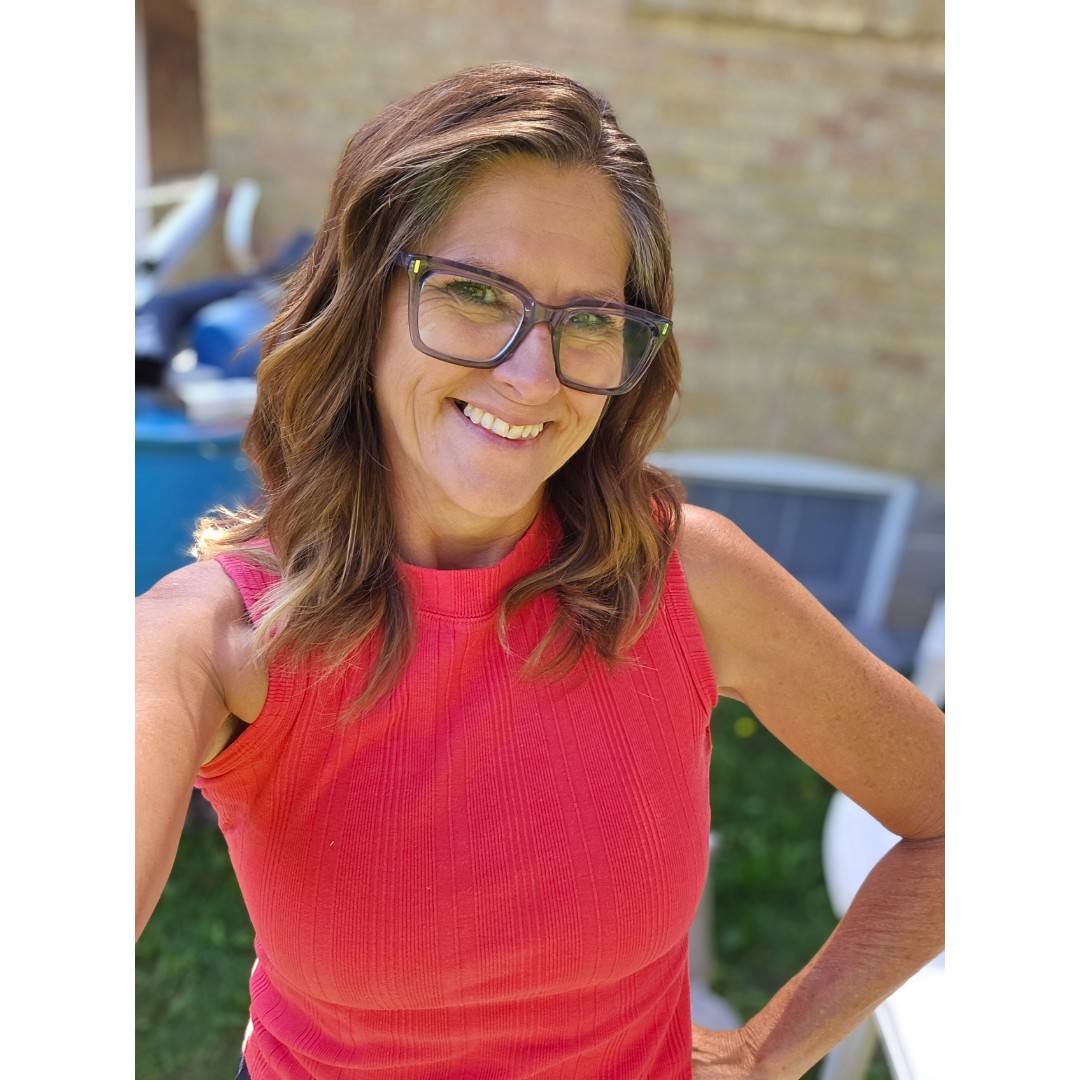
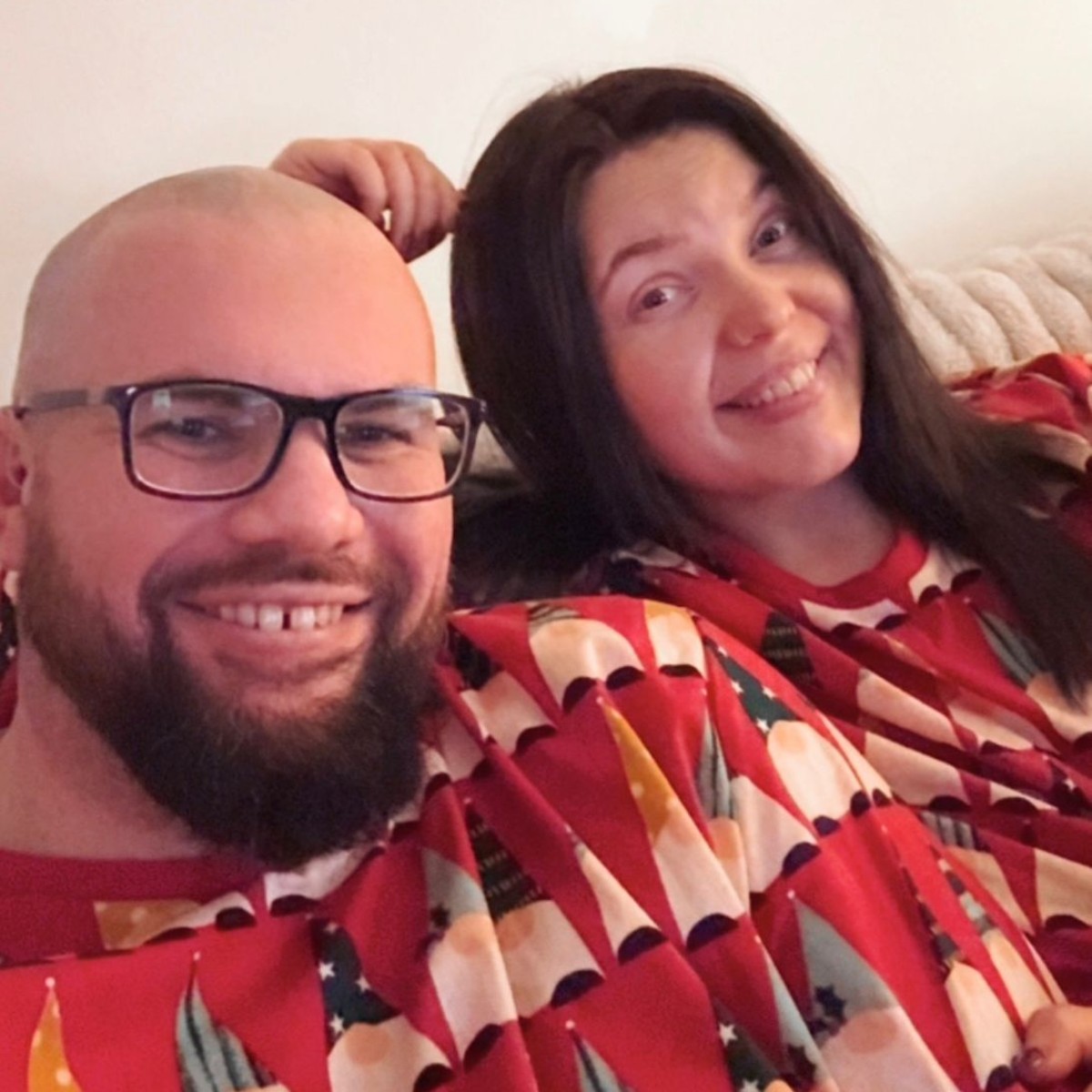
The issues started showing about 3 years ago. My journey started with an Dr burping his tuna salad lunch in my face 😂. Sort of a sign of things to come. Every scan came back clear, every blood test showed normal! You know your own body so you know what’s normal for you and what isn’t. So don’t let medical professionals tell you you are fine when you know something is up. My partner has been by my side from the beginning. She is relentless. She sees a new symptom she makes a note of it, she kept ringing the drs back every time I had a flair up. Then in August 2024 I woke up paralysed couldn’t move or speak. It was only at that stage did the drs start to take us seriously and I got sent for my 4th MRI scan. I got taken to the children’s ward in the health hospital. All I remember is that I watched the little mermaid with no sound. However, they did an MRI without dye. Then at the request of my GP did it with dye. At that point they found my brain tumour. They thought that was it. Problem solved! However, my neurological was brilliant. Said this isn’t a brain tumour making you have all these symptoms. Got me and my partner to write out every symptom and she went through each one. Ruling out everything not related to the tumour. Which is 99% of them. Then referred me to all different specialists to get underneath what was causing it. Moral of the story is be resilient. Don’t just take the first answer you know you. Took 3 years down the road to be diagnosed with other things, to then finally get to my FND diagnosis. But don’t accept what you are first told. Know your body. If you feel different just keep going back.
What it’s like
The day-to-day reality of living with FND (Functional Neurological Disorder).
Not long ago I was a 6’1”, 21-stone prop forward, training six days a week. Today, I rely on a wheelchair to get around at work.
That change didn’t happen overnight, and it wasn’t something I wanted anyone to see.
At first, my family thought I was shutting myself away because of the ongoing custody battle for my children. The truth was very different. I was hiding the symptoms because I didn’t understand them myself, and I didn’t want people to see me struggling.
These are just some of the symptoms I live with:
* Tingling and twitching in my left shoulder, hands and head.
* Numbness in my legs, hands and arms.
* Headaches at the base of my skull and across the front of my head.
* Sensitivity to light and sound.
* Cognitive issues – struggling to spell simple words, mixing up letters, difficulty writing, forgetting what I’m saying halfway through a sentence, and slurring my words.
* Problems judging distance, walking into things and banging my head.
* Loss of grip and strength in my hands.
* Falling without warning, including falling down stairs.
* Biting my tongue and gums in my sleep, and grinding my teeth without being able to stop it.
* Changes in bowel habits, from severe constipation to urgently needing the toilet.
* Constant thirst and frequent urination, never feeling like I’ve fully emptied my bladder.
* Chronic fatigue and never waking up feeling refreshed.
* Joint pain, finger pain, spine pain, burning nerve pain and days of relentless muscle pain.
* Constant muscle tightness that doesn’t improve with stretching, walking or exercise.
* Spasms without warning.
* Problems with my eyesight, hearing, balance and mobility.
* Pins and needles in my arms and hands, especially in bed, with my arms often going numb if I lie on my back or right side.
* Heart palpitations.
* Weight loss and weight gain without trying.
* An unpredictable appetite.
* Intense lower back pain.
* Night sweats and day sweats that come out of nowhere.
* Mood changes that can make me lose my temper over something small, even though that’s not who I really am.
But the things people don’t see are often the hardest part.
The mental battle.
Grieving the person you used to be. Wondering if people believe you. Feeling guilty that your family has to watch you struggle. Feeling frustrated because your body won’t do what your mind wants it to.
For me, that has been one of the toughest parts of this journey, and it’s something I still work on every single day.
One thing I’ve learned is this:
Lower your ego. Let go of your pride. Accept help.
I fought against accepting help because I thought it made me weak. In reality, fighting it only made my symptoms worse. It also made my friends and family worry even more because they didn’t know what was really going on.
Eventually, I sat down with the people I love and told them everything.
That conversation changed things.
The reality is, when people don’t know the facts, they fill in the gaps themselves. Sometimes those assumptions can damage relationships far more than the truth ever could.
If you’re living with FND, or any invisible illness, please know this: you don’t have to carry it all on your own.
And if you have someone in your life with FND, remember that what you see is often only a fraction of what they’re fighting every single day.
Be kind. Be patient. Listen.
You never truly know what someone is carrying.
What helps
Psychotherapy can’t recommend enough. Especially for Men there is a huge stigma about talking. My partner really helped with this and built the confidence to get stuff off my chest to them. Ice blocks on the back of my neck when it’s warm. Try’s to help keep my body temperature down. Figure of 8 with my fingers. When I feel i twitch starting I use a finger on my other hand to make a figure of 8 to take my mind off the tics. Dropping my tounge below my teeth line repeat this a couple of times every hour. Helps stimulate your brain, but also helps your face from becoming so tight and tense after seizures.
Thank you for reading
Rhys O'Sullivan