Hi everyone it’s Liam Virgo and I’m back sharing my experiences with FND Connect but this time I’m on the blog I’ll be sharing the realities of developing FND as a teenager.
I developed severe Functional Neurological Disorder when I was 13 years old. I went from someone who was non disabled to severely disabled in a matter of weeks. Developing FND as a teenager was a life altering experience as it affected every part of my life. It was a painful and isolating experience but I’m also here to tell you why being diagnosed with FND as a teenager doesn’t have to mean a life sentence and you can find a way forwards.
When I was diagnosed with FND I didn’t know how to feel as at the time I didn’t know what was happening around me. I was discharged from the hospital in a wheelchair, was given some equipment and had professionals involved from across all different services yet it felt like no one really knew how to support a 13 year old with severe FND. I was given different medications but nothing really helped. I required 24hr care. My scans came back normal yet I couldn’t move or even speak. My FND continued to deteriorate and I lost my ability to sit up and no wheelchair was suitable for my needs as I couldn’t tolerate sitting in anything. I became bedridden and was locked inside my own body.
The reality of developing severe FND as a teenager was extremely difficult and challenging. Society often views disability as something you’re either born with or develop later on in life but it is rarely spoken about what it is like to develop a condition as a teenager, losing your independence at the exact moment you’re supposed to be finding it.
Here are my top tips and advice I would give to a young person who has just been diagnosed with FND
Just because you can’t see FND that doesn’t mean it’s not there. FND is always there and it’s a very real and debilitating condition.
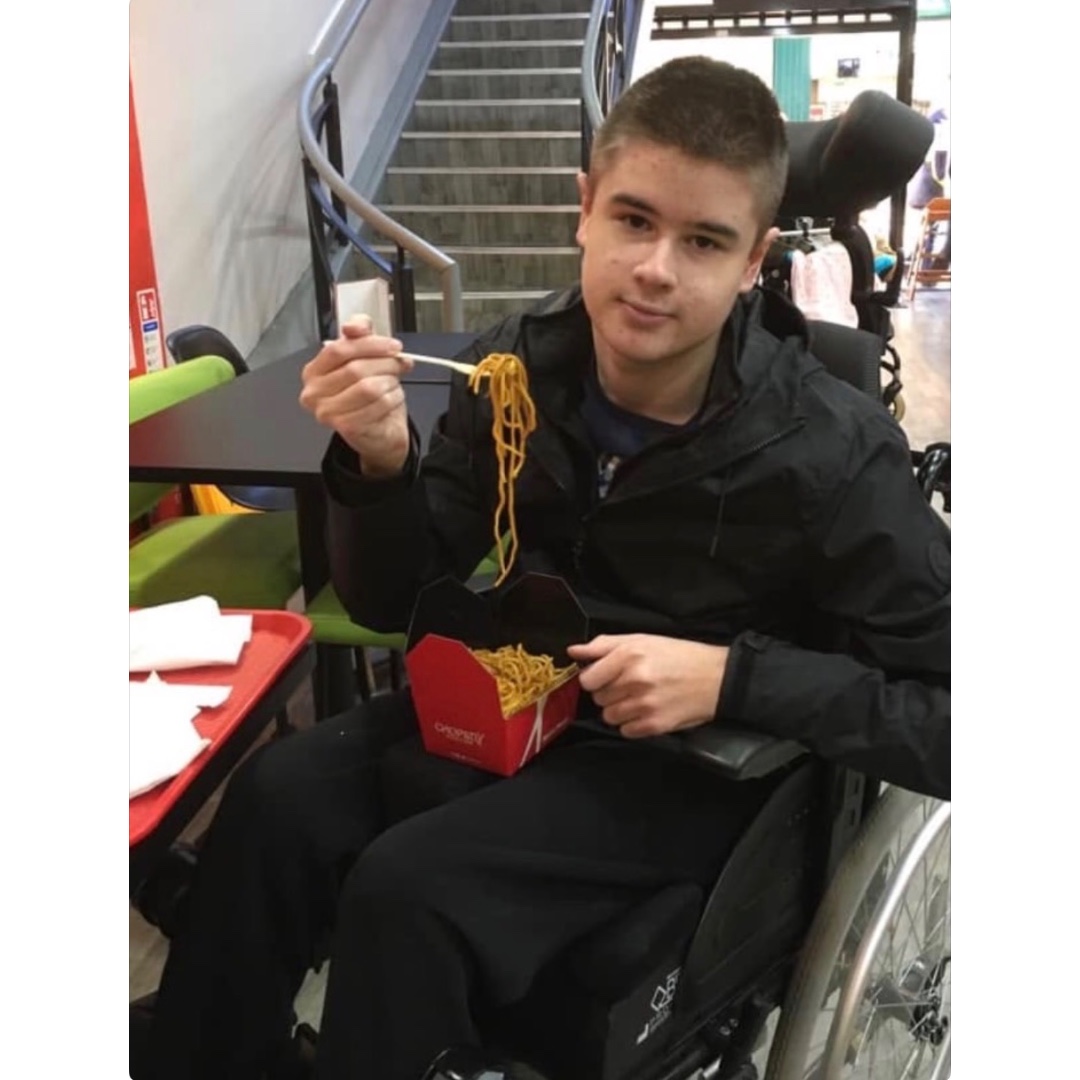
In recent years I’ve made huge progress with my FND and I’m now able to talk, I can sit up and use a wheelchair and I’m learning to walk again. However as of yet I’m not fully recovered and the doctors aren’t sure if I’ll ever make a full recovery because of the life changing impact FND had on my life but I now know that I can learn to live with my new normal.
Being diagnosed with FND doesn’t mean your life has ended it just means your life looks differently to what it was before. I don’t remember my life before FND so it feels like FND is all I’ve known for the last 10 years. It has changed me but it’s also given me a sense of determination I didn’t know I had. You can always find a way forwards and focus on the small wins. For me those small wins could’ve been moving a finger or lifting my arm up.
I’ve had many setbacks with my FND rehabilitation and periods where I’ve been bed bound and unable to walk again since becoming more mobile but I’ve never given up hope. Because I know the setbacks won’t last years like they did before as I’m now recovered from the severe FND and now have moderate FND symptoms.
FND has changed the way I see the world as I now look at life differently through the lens of a wheelchair user.
I’d probably say one of the hardest parts of developing FND as a teen was the isolation. I desperately wanted to go outside but the reality was I couldn’t even go in the back garden because I was bedridden.
This year marks 10 years of my journey with FND. I’ve had many ups and downs over the years with the condition. But I’ve also been able to use my voice now to share what it’s like to live with FND.
I may use a wheelchair, have ongoing physical and mental health challenges and live with FND but I will not let my illness overcome me. FND took everything from me in 2016 but I’m now at a stage where I’m adjusting to life post severe FND and learning to live with the illness that left me disabled at 13.
Because I know if I can get through being paralysed, non verbal and bedridden I can get through anything!
I developed severe Functional Neurological Disorder when I was 13 years old. I went from someone who was non disabled to severely disabled in a matter of weeks. Developing FND as a teenager was a life altering experience as it affected every part of my life. It was a painful and isolating experience but I’m also here to tell you why being diagnosed with FND as a teenager doesn’t have to mean a life sentence and you can find a way forwards.
When I was diagnosed with FND I didn’t know how to feel as at the time I didn’t know what was happening around me. I was discharged from the hospital in a wheelchair, was given some equipment and had professionals involved from across all different services yet it felt like no one really knew how to support a 13 year old with severe FND. I was given different medications but nothing really helped. I required 24hr care. My scans came back normal yet I couldn’t move or even speak. My FND continued to deteriorate and I lost my ability to sit up and no wheelchair was suitable for my needs as I couldn’t tolerate sitting in anything. I became bedridden and was locked inside my own body.
The reality of developing severe FND as a teenager was extremely difficult and challenging. Society often views disability as something you’re either born with or develop later on in life but it is rarely spoken about what it is like to develop a condition as a teenager, losing your independence at the exact moment you’re supposed to be finding it.
Here are my top tips and advice I would give to a young person who has just been diagnosed with FND
- Be patient and kind to yourself
- Find something that motivates you (for me that was a dream to visit London)
- Don’t be afraid to ask for help and support with your mental health
- Celebrate each achievement and small win in your rehab
- If your able to speak about how your feeling
Just because you can’t see FND that doesn’t mean it’s not there. FND is always there and it’s a very real and debilitating condition.
In recent years I’ve made huge progress with my FND and I’m now able to talk, I can sit up and use a wheelchair and I’m learning to walk again. However as of yet I’m not fully recovered and the doctors aren’t sure if I’ll ever make a full recovery because of the life changing impact FND had on my life but I now know that I can learn to live with my new normal.
Being diagnosed with FND doesn’t mean your life has ended it just means your life looks differently to what it was before. I don’t remember my life before FND so it feels like FND is all I’ve known for the last 10 years. It has changed me but it’s also given me a sense of determination I didn’t know I had. You can always find a way forwards and focus on the small wins. For me those small wins could’ve been moving a finger or lifting my arm up.
I’ve had many setbacks with my FND rehabilitation and periods where I’ve been bed bound and unable to walk again since becoming more mobile but I’ve never given up hope. Because I know the setbacks won’t last years like they did before as I’m now recovered from the severe FND and now have moderate FND symptoms.
FND has changed the way I see the world as I now look at life differently through the lens of a wheelchair user.
I’d probably say one of the hardest parts of developing FND as a teen was the isolation. I desperately wanted to go outside but the reality was I couldn’t even go in the back garden because I was bedridden.
This year marks 10 years of my journey with FND. I’ve had many ups and downs over the years with the condition. But I’ve also been able to use my voice now to share what it’s like to live with FND.
I may use a wheelchair, have ongoing physical and mental health challenges and live with FND but I will not let my illness overcome me. FND took everything from me in 2016 but I’m now at a stage where I’m adjusting to life post severe FND and learning to live with the illness that left me disabled at 13.
Because I know if I can get through being paralysed, non verbal and bedridden I can get through anything!
Thank you for reading
Liam Virgo