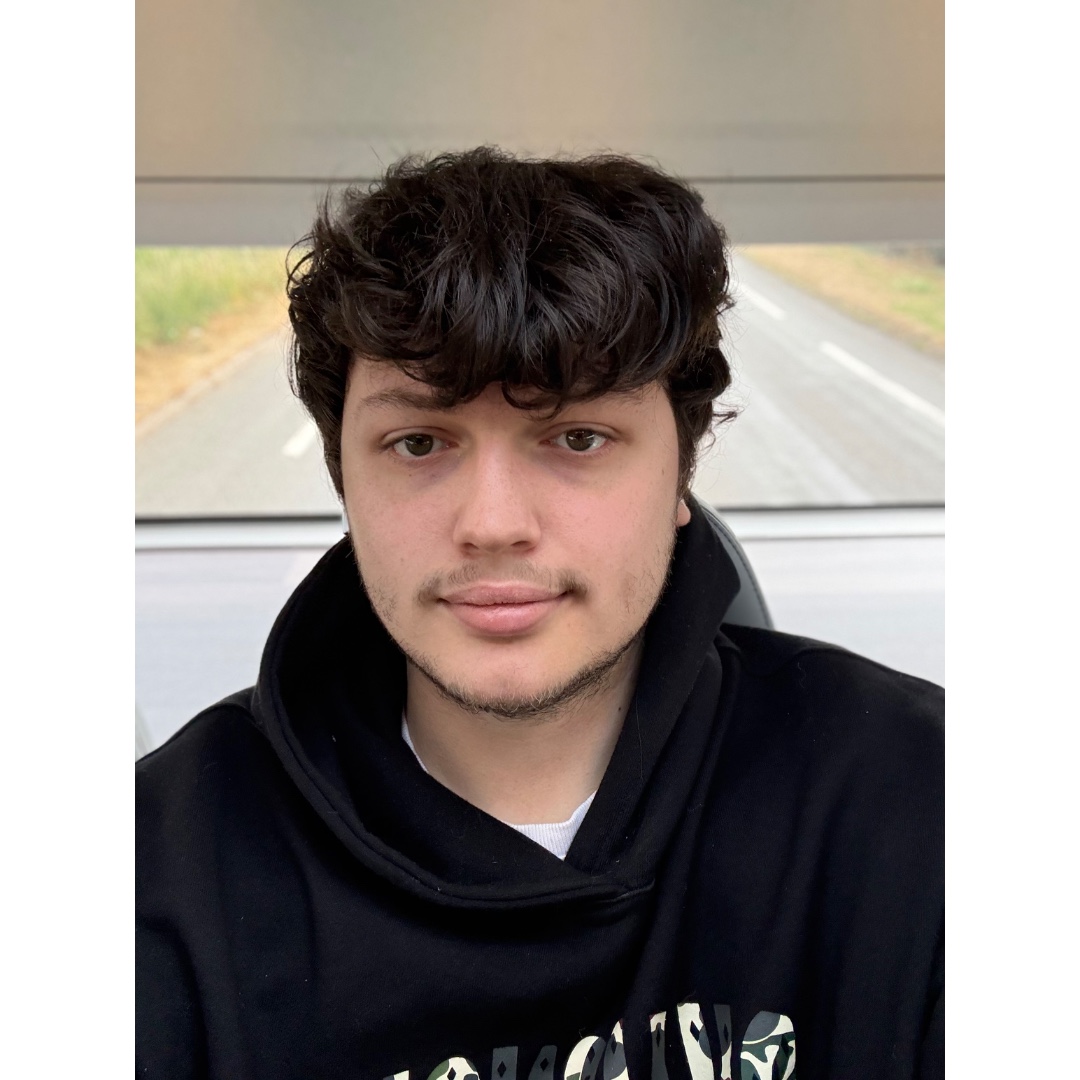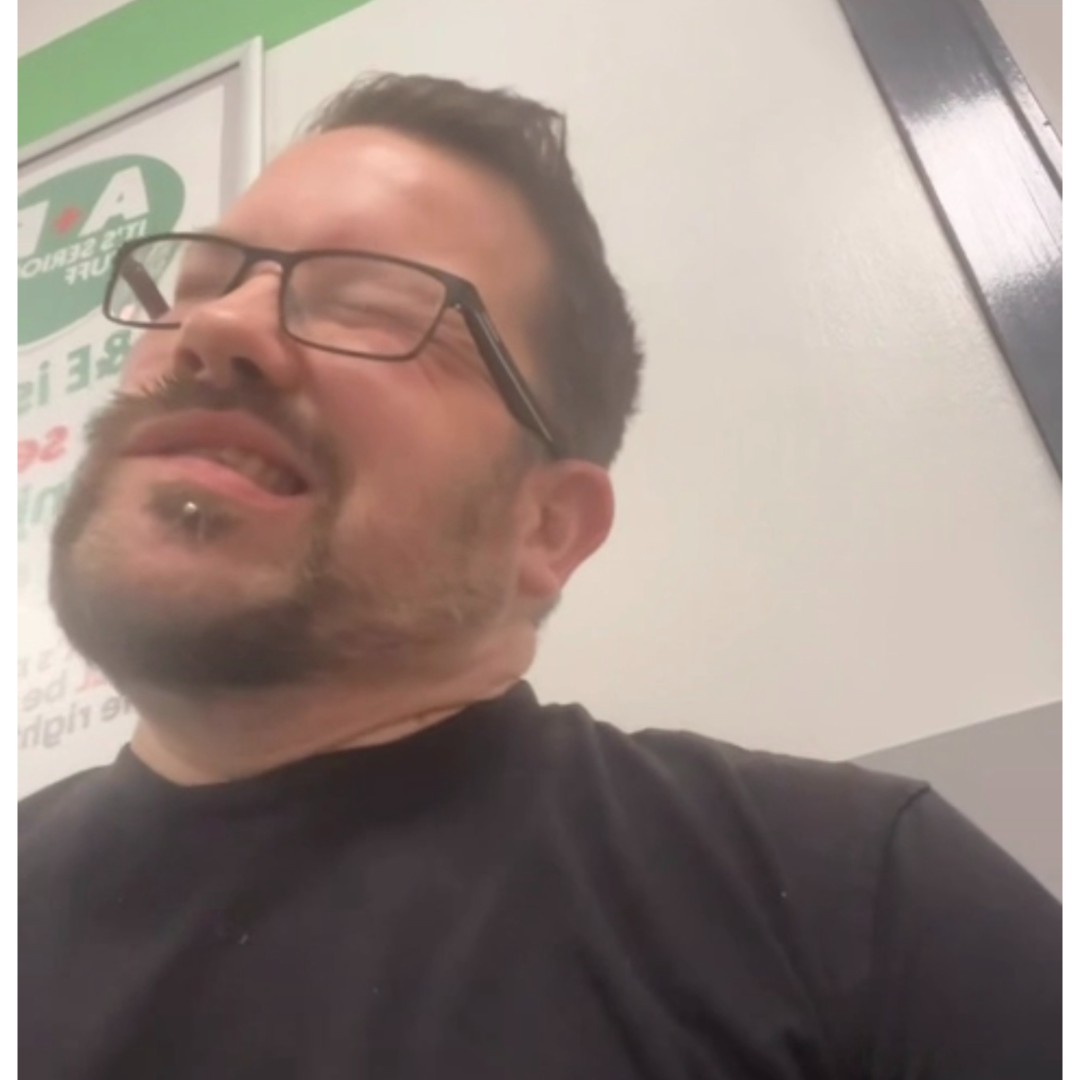
Part Two: From the person who catches them, to the person who needs catching.
On 27 July 2026, I published a story called I Didn't Have FND, But It Rewired My Whole Life.
It was the story of how Functional Neurological Disorder had completely changed my life, despite me not having the condition myself.
I wrote about Emma. About our children. About the thousands of seizures I'd witnessed, the sleepless nights, the constant state of alert, and the reality of being a partner, stepfather and carer to people living with FND.
I wrote about the organisation I'd founded because I couldn't accept that so many people were being left without adequate support.
And I wrote something that, looking back now, feels almost cruelly ironic.
"I didn't have it. I still don't."
Well, life clearly had other ideas.
Less than three months after writing those words, I found myself in A&E, frightened, confused, and facing the very condition I'd spent so much of my life trying to understand.
This is the part of my story I never expected to write.
When everything started changing
It started with a stabbing pain in my head.
Then came the facial twitching. Persistent, involuntary movements that I couldn't explain and certainly couldn't control.
Before long, my arms started jerking without warning. My joints would lock. My legs would twitch. At one point, my arm moved so suddenly that I threw my glasses.
These weren't things I could simply ignore.
I knew what FND could look like. I'd seen countless different presentations through Emma, our family, and the thousands of people I'd spoken with through FND Connect.
But knowing about something and recognising it happening to yourself are two very different things.
I ended up in hospital. Then I ended up there again.
Hours and hours in A&E. Neurological examinations. Scans. Tests. The exhausting process of trying to understand why my body was suddenly doing things it had never done before.
The neurologist felt my symptoms were functional in nature, and FND became the working explanation. Further neurological follow-up was arranged.
As I write this, I'm still navigating that process. I don't pretend to have every answer or a neatly finished diagnosis story.
But I know what I've experienced.
And I know how frightened I've been.
Then came the seizure
I've watched Emma experience thousands of seizures.
I've caught her before she hit the floor. I've protected her head, watched her breathing, held her hand, reassured her, and waited for the moment she'd finally come back to me.
I've seen the exhaustion afterwards. The confusion. The pain. The tears.
I genuinely believed I understood what she was going through.
I didn't.
In early October, I experienced my first major seizure.
Emma later described what she'd witnessed. My eyes rolling back. My body becoming rigid. My arms trembling. My legs vibrating. The frightening sounds as I struggled with saliva in my mouth.
It lasted around five minutes.
Five minutes.
I've spent years recording seizure durations. Two minutes. Four minutes. Seven minutes. Numbers entered into SeizeControl, studied for patterns and shared with clinicians.
But I've never understood just how long five minutes can feel.
From inside that experience, time didn't seem to behave normally.
I could hear things around me, but I couldn't make my body respond.
There was pain. Confusion. A terrifying feeling of being trapped somewhere I couldn't explain, with no idea when it would end.
The experience felt almost unreal.
And perhaps the most frightening part was not knowing whether I was going to come out of it.
When it eventually stopped, I wasn't simply back to normal.
I was confused, in pain, and trying to process what had just happened.
For the first time, I wasn't the person watching a seizure.
I was the person having one.
I'm sorry, Emma. I didn't fully understand.
This is probably the hardest part to write.
Emma has never expected me to understand exactly what her seizures feel like. She's always known I do everything I can to help her.
But I've told her countless times that I understand.
And in a way, I did.
I understood the practical realities. I understood the emotional toll. I understood what seizures could do to our family, our routines and our plans.
But I didn't understand the experience from the inside.
I didn't understand how terrifying it could be to lose control of your body while remaining aware of what's happening.
I didn't understand the strange way time could stretch.
I didn't understand quite how frightened someone could feel while the person beside them was trying to remain calm.
And I didn't appreciate how difficult it could be to put any of it into words afterwards.
Now I've experienced one version of that reality myself.
I still can't claim to know what Emma experiences. Her FND is hers. Mine, whatever this developing picture ultimately turns out to be, is mine.
But I have an understanding I never had before.
And it has changed the way I look at everything.
The founder of FND Connect. Now facing FND himself.
There's an irony here that I haven't quite worked out how to feel about.
I founded FND Connect because I was frustrated by the lack of information, understanding and practical support available to people like Emma.
I built SeizeControl because I wanted her to have a better way of recording her seizures and symptoms.
I spent countless nights developing resources, answering messages, speaking to families, and trying to make life a little easier for people facing this condition.
And now, suddenly, I'm facing the possibility of needing some of those very resources myself.
You couldn't make it up.
But there's another side to this that I think is important.
I've spent years hearing people tell me how frightening it is when their symptoms begin.
How difficult it is sitting in hospital without answers.
How much it hurts when people question whether their symptoms are real.
How isolating it feels when your body stops behaving normally and nobody can tell you exactly what comes next.
I've listened. I've sympathised. I've fought for better support.
And now I'm discovering just how vulnerable those experiences can leave you feeling.
Even with everything I know about FND, I've been scared.
Really scared.
I've questioned what's happening to me. I've wondered what comes next. I've worried about whether things will get worse, whether I'll be able to carry on doing everything I do, and what this might mean for my family.
Knowledge hasn't made that fear disappear.
If anything, it's made me realise how much courage it takes for someone newly experiencing these symptoms to navigate a world they may know absolutely nothing about.
What happens when the carer needs caring for?
In my original story, I wrote:
"I will always be there. I will always catch them when they fall."
I meant every word.
And I still do.
But now there's a question I never really considered.
What happens when I'm the one who falls?
For years, I've been the person who reacts. The one who notices the warning signs, moves the furniture, reassures the children, and tries to keep everything running.
I've become very good at putting my own needs somewhere near the bottom of the list.
Now I'm having to accept that I might need help too.
That's uncomfortable.
I don't particularly enjoy feeling vulnerable. I don't like not knowing what my body is going to do next. And I certainly don't enjoy the thought of Emma, who already deals with so much herself, having to worry about me.
But relationships aren't supposed to work in only one direction.
Emma has spent years being the person I've supported through seizures.
When I needed her, she was there.
And there's something deeply emotional about that reversal.
The woman I've caught so many times was now watching me go through something frightening.
I wish neither of us had to experience it.
But I'm grateful we have each other.
Has this changed FND Connect?
Yes.
Not its purpose. Not its commitment. And certainly not my determination to keep building it.
But it has changed me.
I used to approach FND Connect primarily from the perspective of a carer.
I wanted better information for families. Better tools for recording symptoms. Better access to services. Better understanding from clinicians.
I still want every single one of those things.
But now I'm seeing things through another perspective.
I know what it's like to be frightened by a symptom you can't control.
I know what it's like to wait for answers.
I know what it's like to wonder whether your own body is going to let you get through the day.
And I've started to understand why being believed, being listened to, and being treated with compassion matter so much.
I haven't suddenly become an expert on what every person with FND experiences.
Quite the opposite.
This experience has reminded me just how individual the condition can be, and how much I still have to learn.
But perhaps that will make me a better advocate.
Perhaps it will help me ask different questions, spot things I've previously overlooked, and build support that reflects the realities people face.
I certainly hope so.
I don't know what happens next
I wish I could finish this story by telling you that everything is under control.
That the symptoms have stopped. That I'm feeling brilliant. That I've got all the answers and a clear plan for the future.
But that wouldn't be honest.
I'm still trying to understand what's happening.
I'm still learning what my body is doing.
I'm still having moments when I feel frightened, frustrated and completely overwhelmed.
And some days, I just want my old normal back.
I'm not going to pretend that developing neurological symptoms has somehow been a wonderful gift or an opportunity I should be grateful for.
I wouldn't wish these experiences on anyone.
But I can decide what I do with what I've learned.
And if sharing this part of my journey helps one person feel understood, encourages one clinician to listen a little more carefully, or reminds one carer that their own wellbeing matters too, then I want to share it.
Not as the founder of an organisation trying to prove a point.
As Matthew.
A partner. A stepfather. A carer.
And now, someone facing his own frightening neurological journey.
To everyone who read my first story
When I wrote that first article, I thought I knew what my story was.
I was the person standing beside FND.
The person catching someone when they fell.
The person trying to build something that might make the world a little easier for them.
I never imagined I'd find myself on the other side of that experience.
And I certainly never imagined it would happen less than three months later.
I still love Emma and our family just as fiercely.
I still believe in everything we're building through FND Connect.
I still want to make a difference.
But there's one thing I can no longer write with the same certainty.
"I didn't have FND. I still don't."
Those were my words in July.
Today, I'm facing the possibility that FND has become part of my own medical story.
I don't know exactly where this journey leads.
But I know one thing.
I spent years trying to understand what it felt like to be the person having the seizure.
I never expected to find out this way.
Matthew Gerdes-Hansen
Founder, FND Connect CIC
Thank you for reading
Matthew Gerdes-Hansen